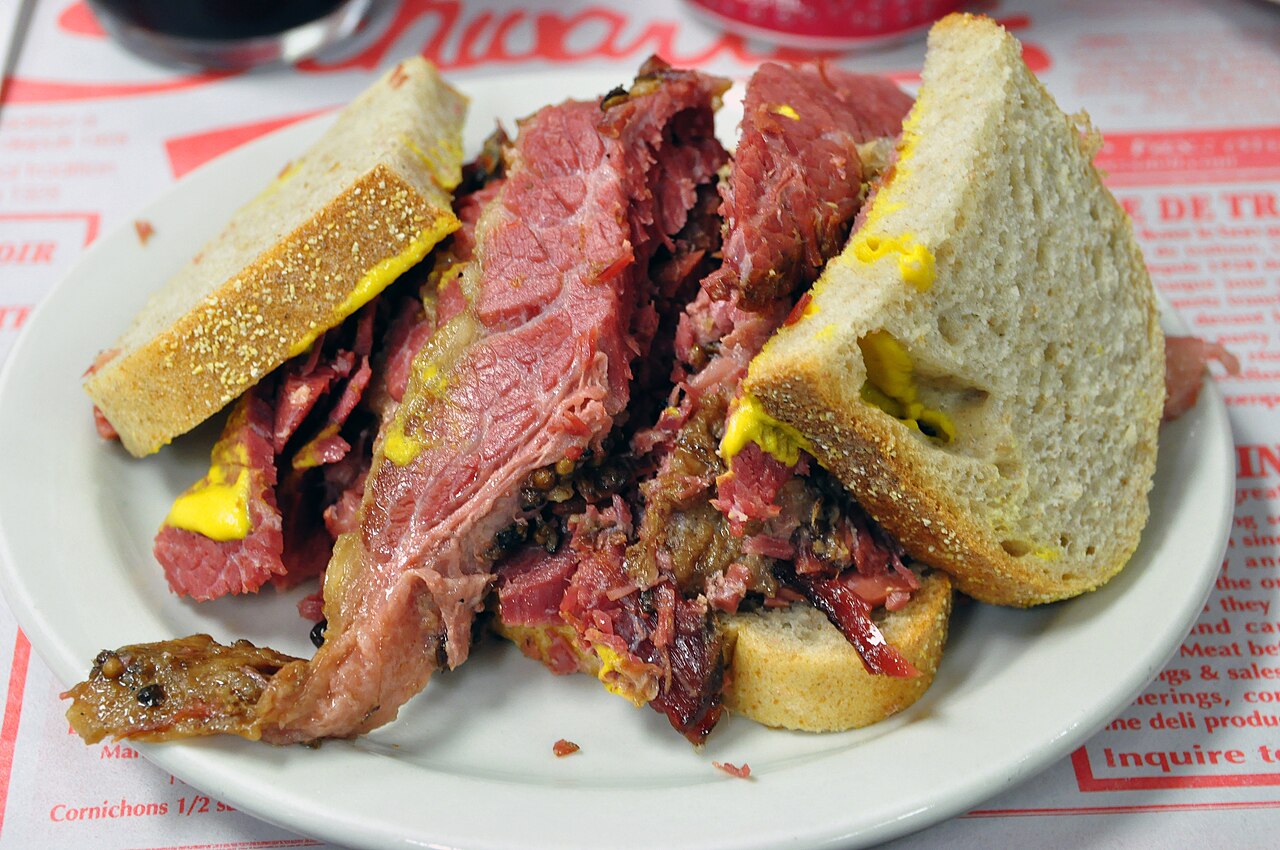
Montreal Smoked Meat vs. New York Pastrami: Unpacking the Differences
In the vibrant tapestry of North American deli culture, two titans stand tall, revered by connoisseurs and casual diners alike: Montreal Smoked Meat and New York Pastrami. Both are culinary masterpieces, deeply rooted in the traditions of Eastern European Jewish immigrants, yet they offer distinct experiences that provoke passionate debate among aficionados. While sharing a common ancestry in the ancient art of curing beef, these two delicacies have evolved along separate paths, shaped by local tastes, available ingredients, and unique preparation techniques. But what truly separates Montreal smoked meat from its Big Apple cousin?
A Journey Through Time: The Immigrant Roots of Cured Meats
The story of both Montreal Smoked Meat and New York Pastrami begins in the late 19th and early 20th centuries, with waves of Jewish immigrants from Eastern Europe, particularly Romania and surrounding regions, seeking new lives in North America. Fleeing persecution, economic hardship, and pogroms, these Ashkenazi Jews brought with them invaluable culinary traditions, chief among them the art of preserving meat through salting, spicing, and smoking. This ancient practice, honed over centuries without reliable refrigeration, allowed them to transform cuts of beef into flavorful, long-lasting provisions.
In Montreal, a significant Jewish community flourished, drawn by opportunities in burgeoning industries. Here, the traditional Romanian pastramă, itself influenced by Ottoman pastırma, began its unique transformation into what we now know as Montreal smoked meat. Early practitioners, like kosher butcher Aaron Sanft who immigrated from Iași, Romania, in 1884, established shops that formalized these methods. The adaptation was pragmatic: Montreal's colder climate facilitated outdoor smoking, and kosher dietary laws mandated beef over pork. This confluence of factors, coupled with the community's desire for a taste of home, cemented smoked meat as a cultural cornerstone. To delve deeper into this rich history, explore From Old World Brisket: The Jewish Immigrant Story of Montreal Smoked Meat.
Meanwhile, in New York City, a similar story unfolded. Immigrants from the same regions introduced their versions of cured beef, which also underwent local adaptations. While sharing common techniques of brining, smoking, and steaming, the choices of specific cuts, spice blends, and preparation nuances began to diverge, laying the foundation for two distinct culinary identities.
Anatomy of Flavor: Cuts, Cures, and Cooking
The most significant differences between Montreal Smoked Meat and New York Pastrami lie in the fundamental choices of meat, the complexity of their spice profiles, and their meticulous preparation processes.
The Heart of the Matter: Beef Cuts
- Montreal Smoked Meat: Traditionally utilizes the brisket, specifically the leaner, stringier portion of the beef. This choice contributes to a firmer, more substantial bite, and a robust, meaty texture that holds up well to its lengthy preparation.
- New York Pastrami: Typically made from the fattier navel plate (also known as the short plate). This cut, with its higher fat content, yields a pastrami that is often more tender, juicier, and has a melt-in-your-mouth quality, sometimes described as grainier due to the marbling.
The Spice Symphony: Rubs and Flavors
This is where the true flavor distinctions become pronounced:
- Montreal Smoked Meat: Characterized by a coarse, heavy dry-rub applied generously to the brisket. The dominant flavors are bold and savory, driven by cracked black peppercorns, fragrant coriander seeds, pungent garlic, and sharp mustard seeds. Crucially, there is minimal to no sweetness in its spice blend, resulting in a distinctly pepper-forward and savory profile. The emphasis is on robust, earthy tones that highlight the beef itself. For a closer look at these aromatic foundations, read The Art of Montreal Smoked Meat: Spices, Smoking, and City Identity.
- New York Pastrami: While sharing some spice commonalities, New York pastrami often incorporates a broader and sometimes sweeter spice profile. Beyond pepper and coriander, you'll frequently find notes of sugar, cloves, allspice, and paprika. This blend contributes to a richer, more complex taste that can be spicier or subtly sweet, contrasting with Montreal's pure savory punch.
The Cooking Craft: From Cure to Plate
Both meats undergo a multi-stage process of curing, smoking, and steaming, but the precise execution varies:
- Curing: Both are brined for extended periods to tenderize the meat and infuse it with initial flavors.
- Smoking: This is a critical step for both, imparting that signature smoky depth. Montreal smoked meat is traditionally smoked over wood (often hardwood like oak or maple) to achieve a deep, aromatic flavor profile. While pastrami is also smoked, the type of wood, duration, and intensity can differ, contributing to variations in its smoky char.
- Steaming: Before serving, both meats are steamed to achieve optimal tenderness and juiciness. For Montreal smoked meat, this final steaming phase is essential to its characteristic soft yet firm texture.
The cumulative effect of these choices results in a texture difference: Montreal's version is firm, yielding, and boasts a chewier, more substantial mouthfeel, while New York pastrami, particularly from the fattier navel, can be incredibly tender, almost meltingly so.
The Sandwich Experience: Serving Traditions and Cultural Icons
Beyond the preparation, the way these meats are served forms an integral part of their identity and culinary appeal. The sandwich is the ultimate stage where these differences are celebrated.
- Montreal Smoked Meat: The classic serving is elegantly simple: thinly sliced, piled high on soft rye bread, with a generous smear of classic yellow mustard. This minimalist approach allows the unadulterated, peppery, and savory flavor of the meat to take center stage. Iconic establishments like Schwartz's Deli have perfected this art, where the steaming meat is carved by hand, preserving its warmth and texture. The emphasis is on the purity of the meat and the crisp tang of the mustard.
- New York Pastrami: While also traditionally served on rye with mustard, New York pastrami often appears in a wider array of variations. Slices can be thicker, and while yellow mustard is common, spicier deli mustards are also popular. Crucially, pastrami is the star of the famous Reuben sandwich, where it's paired with Swiss cheese, sauerkraut, and Russian dressing, grilled between slices of rye. This combination adds layers of creamy, tangy, and crunchy textures that distinguish it significantly from the straightforward Montreal smoked meat sandwich.
For the discerning palate, a side-by-side comparison is the best way to truly appreciate these nuances. Pay attention to the initial aroma, the first bite's texture, the evolving flavor profile from the spices, and the overall mouthfeel. Each offers a unique sensory journey rooted in its specific heritage and craftsmanship.
Conclusion: Celebrating Culinary Diversity
While sharing a venerable lineage and a deep cultural significance, Montreal Smoked Meat and New York Pastrami stand as magnificent testaments to culinary evolution. Montreal's version, with its leaner brisket, peppery dry-rub, and robust savory profile, offers a distinct experience focused on the pure, unadulterated flavor of expertly cured and smoked beef. New York's pastrami, derived from the fattier navel cut and often featuring sweeter, more complex spices, delivers a richer, more melt-in-your-mouth sensation.
Ultimately, neither is "better" than the other; they are simply different, each a proud culinary emblem of its city. To truly appreciate the rich tapestry of North American deli cuisine, we encourage you to embark on your own tasting adventure. Savor the robust, pepper-forward intensity of a classic Montreal smoked meat sandwich, and then indulge in the tender, richly spiced layers of New York pastrami. In doing so, you'll not only enjoy two incredible dishes but also connect with centuries of culinary tradition and immigrant ingenuity.
